
“Why Cybersecurity Should Be Your Top Priority When Selecting a SaaS Platform”

Title: Why Cybersecurity Should Be Your Top Priority When Selecting a SaaS Platform
Meta Description (SEO): Discover why cybersecurity is critical when choosing a SaaS solution, how breaches cost U.S. businesses millions, and what checklist you must evaluate before onboarding.
Target Keywords: SaaS cybersecurity US, choosing SaaS platform security checklist, cloud SaaS security best practices USA, SaaS data breach cost US business
Article Body:
Introduction
In the digital era, many U.S. organizations rely on Software-as-a-Service (SaaS) platforms to drive efficiency. But with convenience comes risk: cyberattacks, data breaches, and regulatory non-compliance threaten businesses’ reputation and finances. Prioritizing cybersecurity when selecting a SaaS solution isn’t optional—it’s essential.
1. The Cost of a SaaS Breach
Cybersecurity research indicates that SaaS platforms have unique vulnerabilities—including misconfigured integrations, inadequate identity management, and data-leak threats. According to industry studies, the average cost of a data breach in the U.S. has risen into millions of dollars.
As per recent CPC analysis, SaaS/security-related keywords fetch high bids because advertisers know the stakes are huge. ClickPatrol+2Clickadu-EN+2

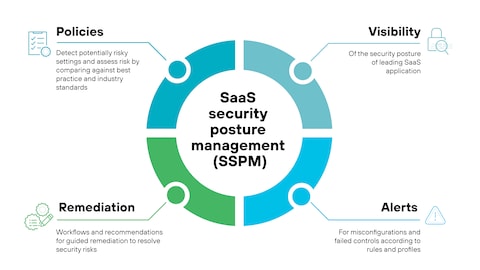
2. Key Security Layers to Validate
When vetting a SaaS provider, examine the following layers:
-
Cloud Infrastructure Security: Is the provider using hardened data centers, encryption at rest & in transit?
-
Network & Application Security: Firewalls, IDS/IPS, secure APIs, zero-trust architecture.
-
Access & Identity Management: Multi-factor authentication, role-based access, least privilege.
-
Data Protection & Compliance: GDPR, CCPA, SOC 2, ISO 27001 certifications.
-
Incident Response & Recovery: Does the provider have a documented plan for breach-response, backups, and continuity?
3. Shared Responsibility: Provider + Customer
Choosing a SaaS platform doesn’t mean you can ignore security. The “shared responsibility model” means: the provider secures infrastructure; you secure users, configurations, integrations.
Misconfiguration is the #1 cause of SaaS data leaks. Educate your team, run periodic audits, and log activities.

4. Security Checklist for SaaS Selection
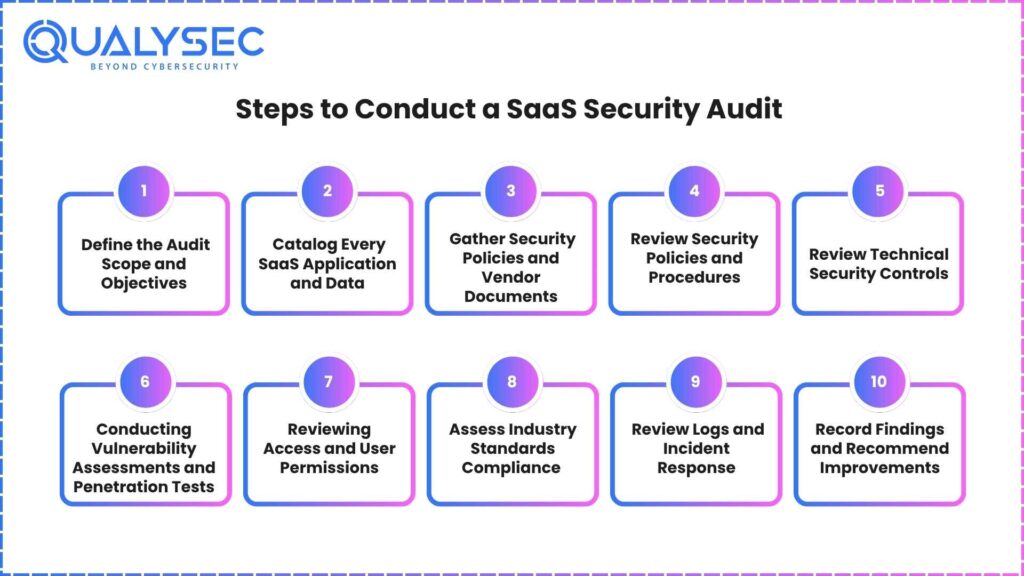
Use a checklist when evaluating options:
-
Provider’s security certifications and audit reports.
-
Data encryption policy: at rest and in transit.
-
SLAs for uptime and incident response.
-
Data residency: where is data stored? Does it comply with your state/country regulations?
-
API & integration risk: Are third-party apps tightly controlled?
-
Employee access controls: How is the vendor managing insider risk?
-
Exit strategy: Can you export data easily? What happens if provider fails?
5. Building Security-Minded SaaS Adoption Culture
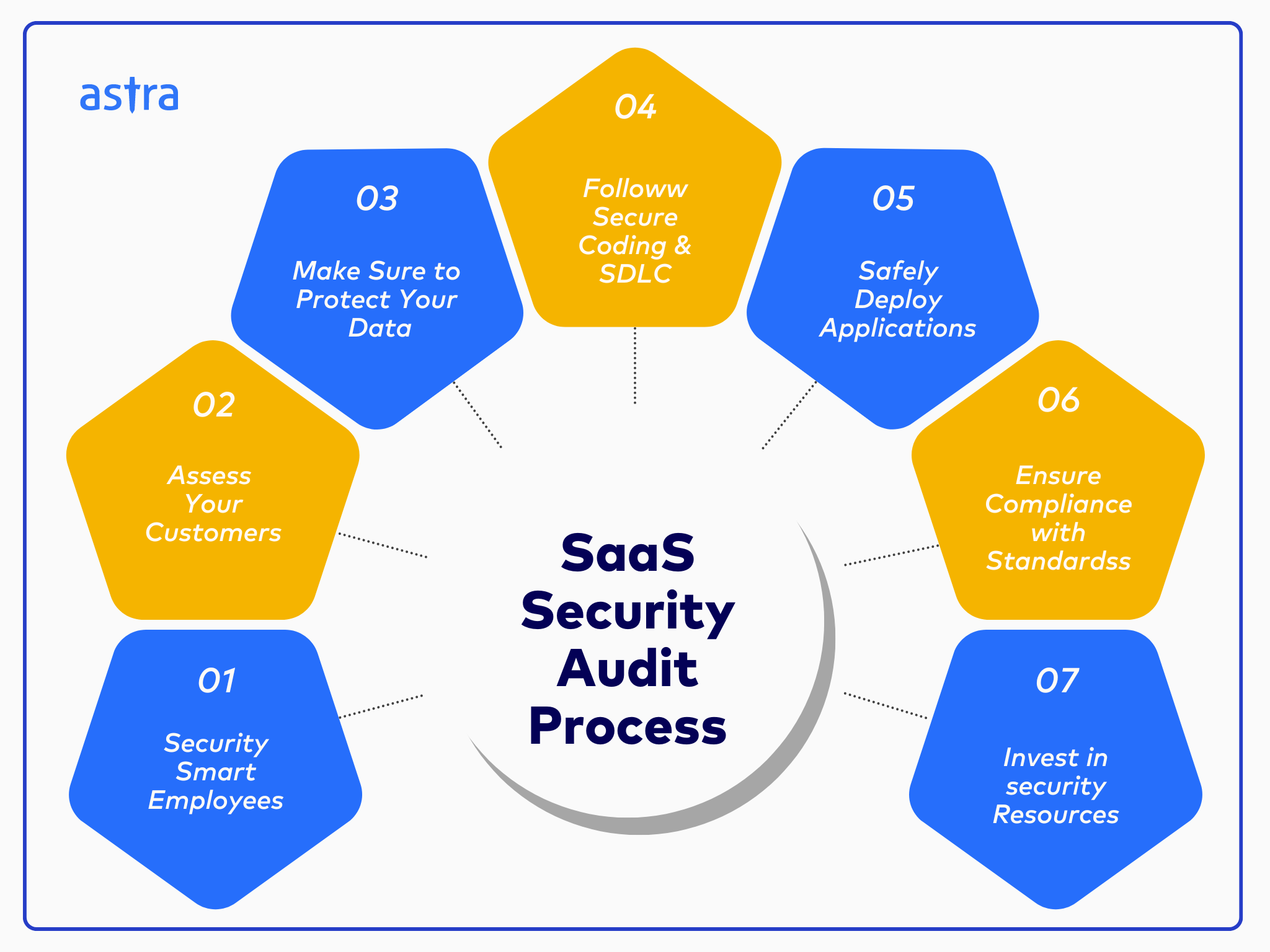
Adopting SaaS is more than technology; it’s culture.
-
Train staff regularly on phishing, credential hygiene, device security.
-
Enforce policies: least privilege, periodic review of user access.
-
Monitor logs and use analytics to detect anomalous behaviour.
-
Conduct regular third-party penetration tests and vulnerability scans.
Conclusion
Selecting the right SaaS platform is a strategic decision—one that must consider cybersecurity front-and-centre. With high-stakes financial and reputational risks, American businesses must treat SaaS security as a core priority, not an afterthought. Use the checklist, demand transparency, and build a security-first culture to get the full benefit of SaaS adoption without exposing your organization to danger.