
Workers’ Compensation Claims: What Every Employee Should Know in the U.S. (2025 Guide)
Meta Description:
Learn how workers’ compensation works in the United States. Discover your rights after a workplace injury, how to file a claim, and how to get full benefits in 2025.
Keywords:
workers compensation lawyer USA, work injury attorney, workplace accident claim, workers comp benefits 2025, workers compensation insurance, employee injury rights US, best workers comp lawyer, on-the-job injury claim
Introduction
Every day, thousands of Americans are injured at work — from construction sites to corporate offices.
A slip, fall, or machinery accident can turn your life upside down, leaving you unable to work or pay bills.
That’s where workers’ compensation (often called workers’ comp) comes in.
This system provides medical coverage and wage replacement for employees who get hurt on the job — regardless of fault.
But filing a claim isn’t always simple. Insurance companies may delay, underpay, or deny your benefits.
This guide explains exactly how the process works in 2025, your legal rights, and how to make sure you get the full compensation you deserve.

What Is Workers’ Compensation?
Workers’ compensation is a state-mandated insurance program that provides:
-
Medical treatment for job-related injuries or illnesses
-
Wage replacement during recovery
-
Disability benefits for permanent injuries
-
Death benefits for surviving family members
Every employer in the U.S. (except Texas) must carry this insurance, whether they employ one person or thousands.
Who Qualifies for Workers’ Compensation?
You may be eligible if:
-
You’re an employee (full-time, part-time, or seasonal)
-
Your injury occurred while performing job duties
-
You report the incident within the required deadline
Independent contractors, freelancers, and some volunteers are usually excluded — unless reclassified as employees under law.
Common Workplace Injuries
| Type | Examples |
|---|---|
| Physical Injuries | Falls, fractures, burns, back strain |
| Repetitive Stress | Carpal tunnel, tendonitis |
| Occupational Diseases | Lung conditions, chemical exposure |
| Mental Health | PTSD or stress caused by workplace trauma |
Even injuries that develop gradually — like chronic back pain — can qualify if linked to your work.
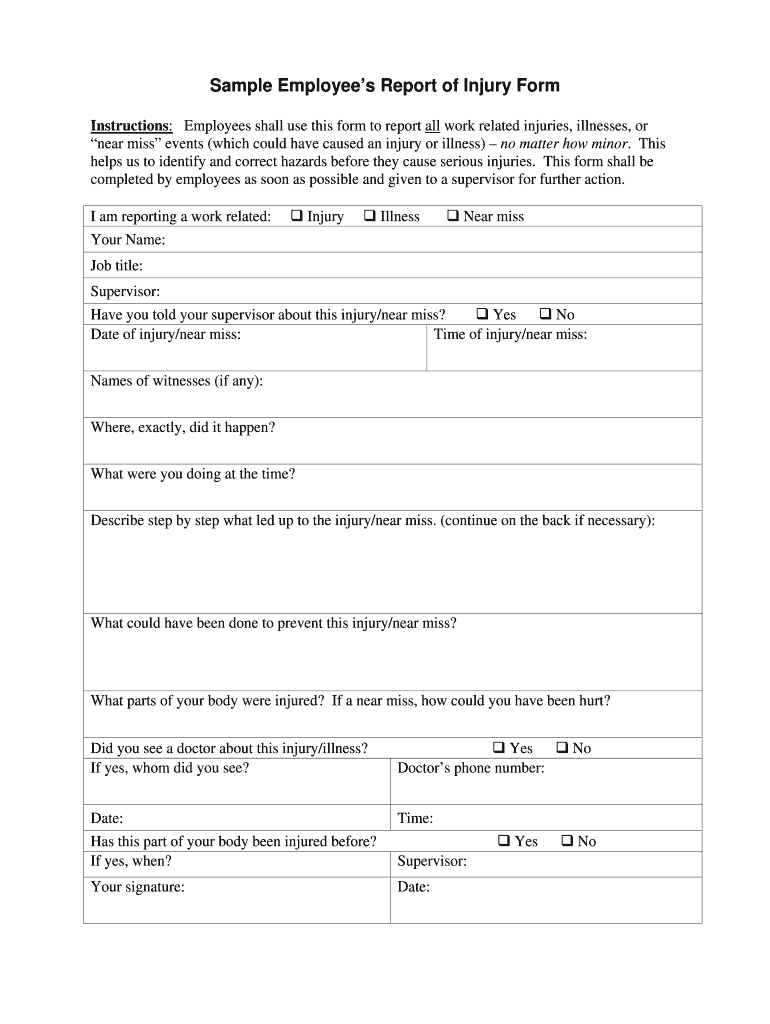
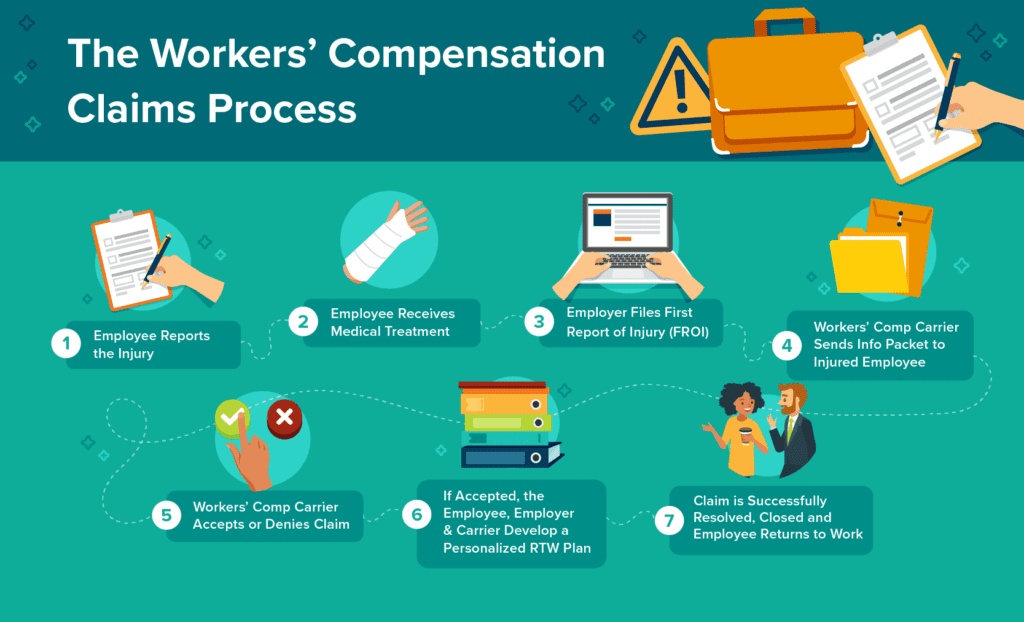
Steps to File a Workers’ Compensation Claim in the U.S.
1️⃣ Report the Injury Immediately
Tell your supervisor or HR as soon as possible.
Most states require reporting within 30 days — missing this deadline can void your claim.
2️⃣ Get Medical Treatment
Visit an approved doctor (some states let you choose; others assign one).
Be honest about how and where the injury happened.
3️⃣ Complete State Forms
Your employer or their insurance provider will file official paperwork with your state’s workers’ comp board.
4️⃣ Keep Records
Save all medical reports, prescriptions, and time-off notes.
Documentation is crucial if your claim is disputed.
5️⃣ Wait for Approval
Once the claim is processed, you’ll begin receiving wage-replacement checks — usually two-thirds of your average weekly wage.
Workers’ Compensation Benefits Explained
| Benefit Type | What It Covers |
|---|---|
| Medical Care | Doctor visits, hospital stays, rehab, medication |
| Temporary Disability | Partial wage replacement while recovering |
| Permanent Disability | Compensation for lasting impairment |
| Vocational Rehab | Training for new job if you can’t return to old one |
| Death Benefits | Payments to dependents if a worker dies on the job |
💡 Tip: You don’t pay taxes on workers’ comp benefits.
Common Reasons Claims Get Denied
-
Late injury reporting
-
Employer disputes the claim
-
Lack of medical evidence
-
Injury not considered “work-related”
-
Missed doctor appointments
-
Pre-existing conditions
If denied, you have the right to appeal — usually within 30–90 days depending on your state.
How a Workers’ Compensation Lawyer Can Help
An experienced attorney can:
-
Gather medical and workplace evidence
-
Challenge unfair denials
-
Negotiate higher settlements
-
Represent you in hearings or appeals
-
Ensure full disability benefits
Most lawyers work on a contingency fee basis (you pay only if they win).
Hiring one often increases total compensation by 30–50 %.
Average Workers’ Comp Settlements in 2025
| Injury Type | Average Payout (USD) |
|---|---|
| Back or Neck Injury | $25 000 – $80 000 |
| Hand or Wrist Injury | $15 000 – $45 000 |
| Shoulder Injury | $30 000 – $90 000 |
| Leg or Knee Injury | $25 000 – $70 000 |
| Severe Burns | $100 000 + |
| Death Benefits | Up to $500 000 for dependents |
Actual amounts depend on your state laws, wage level, and medical documentation.
How Long Does the Process Take?
Most claims close within 3–6 months.
However, complex cases with disputes or appeals can take over a year.
Stay proactive: follow up with your insurer, keep medical appointments, and communicate through your lawyer.
Mistakes to Avoid
-
Not reporting immediately
-
Going to an unauthorized doctor
-
Ignoring medical advice
-
Returning to work too soon
-
Signing settlement papers without legal review
Once you accept a settlement, you usually can’t reopen the case later.
Future of Workers’ Compensation (2025 → 2030)
The system is becoming faster and more digital:
-
AI-based claim approvals reduce delays.
-
Wearable safety tech tracks injury prevention data.
-
Telemedicine lets injured workers meet doctors remotely.
-
Paperless processing cuts down fraud and paperwork.
These changes will make workers’ comp more efficient and transparent across the U.S.
Conclusion
Workers’ compensation exists to protect you when the unexpected happens on the job.
Know your rights, act quickly, and don’t be afraid to seek legal help if your employer or insurer treats you unfairly.
You’ve earned those benefits — make sure you claim them.
Because when you’re hurt at work, your recovery should come first, not financial stress.